That distinction matters. Puerto Peñasco is reachable by a specifically identified route, but visitors should understand the advisory, use the recommended highway, travel during daylight, and take normal international-travel precautions.
This guide summarizes current official information. Conditions can change, so check the linked government sources again shortly before departure.
The current official travel advisory
The U.S. Department of State’s Mexico Travel Advisory, issued May 29, 2026 and current when this guide was reviewed on August 21, 2026, lists Sonora at Level 3: Reconsider Travel because of terrorism and crime. The advisory says criminal activity and violence may occur anywhere in Sonora and advises travelers to remain alert.
For Puerto Peñasco, the advisory contains a specific route rule for U.S. government employees:
- Travel between Puerto Peñasco and the Lukeville–Sonoyta Port of Entry is permitted on Federal Highway 8 only.
- U.S. government employees may not use another route to Puerto Peñasco.
- The advisory also restricts U.S. government employees from using taxis, public buses, and ride-share services in Puerto Peñasco.
Private travelers are not government employees, but the State Department advises U.S. citizens to follow the same restrictions. Read the full Mexico Travel Advisory before deciding whether the trip is right for you.
What this means for a typical Rocky Point trip
Many visitors drive from Arizona through Ajo and Lukeville, cross into Sonoyta, and continue south on Mexico Federal Highway 8. This is the route named in the State Department advisory.
Using the recognized route does not create a safety guarantee. It means travelers can make a better-informed plan by staying on the main highway and avoiding unplanned alternate routes through Sonora.
Before leaving:
- Confirm that the Lukeville–Sonoyta crossing is open.
- Plan to complete the Mexico portion of the drive during daylight.
- Save your hotel or resort address before crossing.
- Share your route and expected arrival time with someone at home.
- Download maps in case mobile service is interrupted.
- Avoid unnecessary stops and do not follow a navigation app onto an unfamiliar shortcut.
The Sonora public-safety department reported on April 8, 2026 that state highway police were strengthening preventive patrols on the Sonoyta–Puerto Peñasco safe corridor and other northern Sonora routes. Travelers should still make their own decision based on the current advisory and conditions.
For route preparation, see our complete driving to Rocky Point guide.
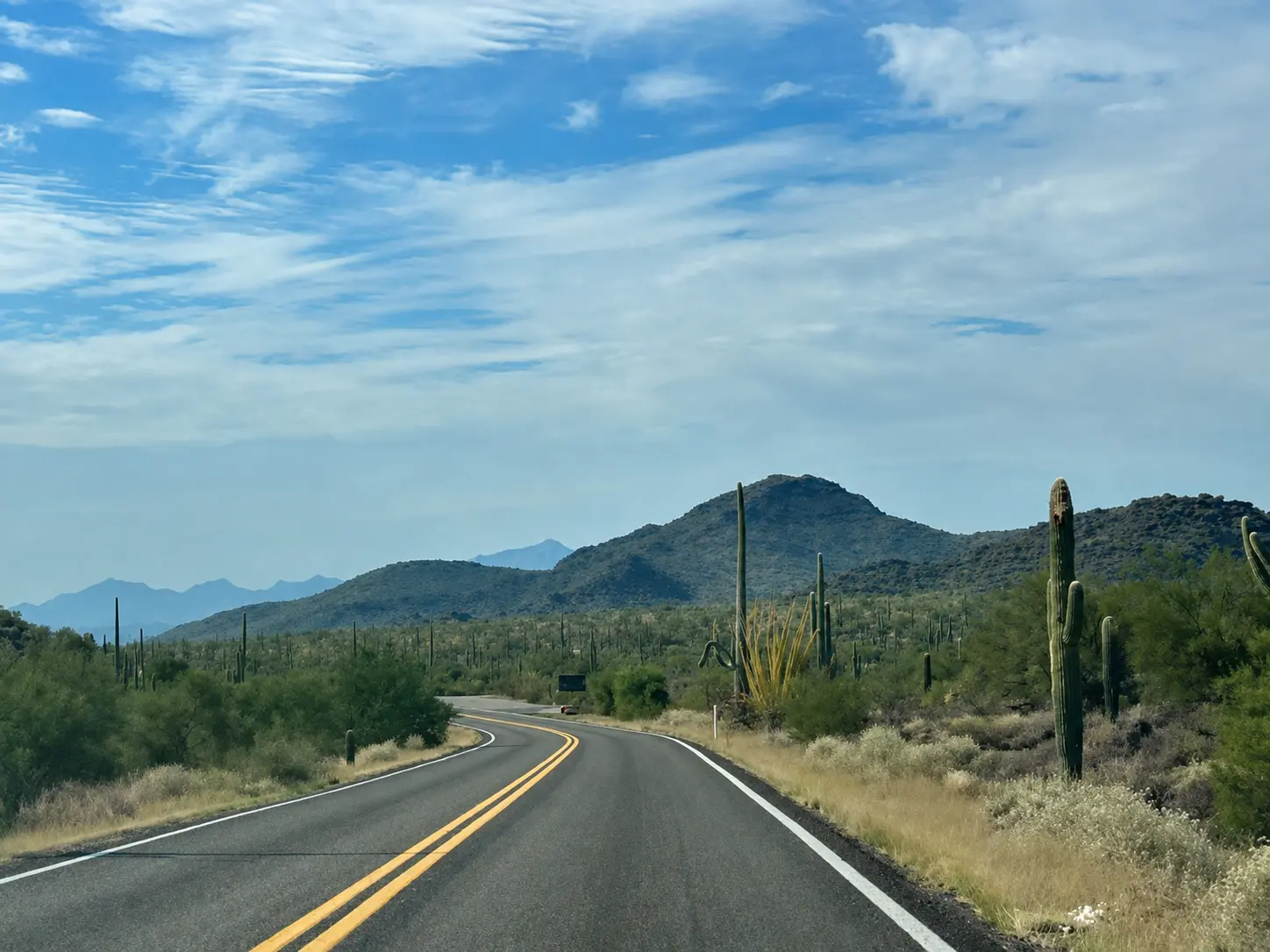
Lukeville border hours and crossing preparation
U.S. Customs and Border Protection currently lists the Lukeville Port of Entry passenger hours as 6:00 a.m. to 8:00 p.m. Hours and operations can change. Verify the listing on the official CBP Border Wait Times page on the day you travel.
Do not plan to arrive close to closing time. Traffic, inspections, road work, weather, or a vehicle problem can delay the trip. Allow extra time on busy holiday and event weekends.
U.S. citizens traveling by land should be prepared to present a valid passport book or passport card. The U.S. Embassy’s April 23, 2026 land-travel guidance says most travelers entering Mexico by land also need an entry permit, commonly called an FMM. Follow the instructions given by Mexican immigration officials at the port of entry.
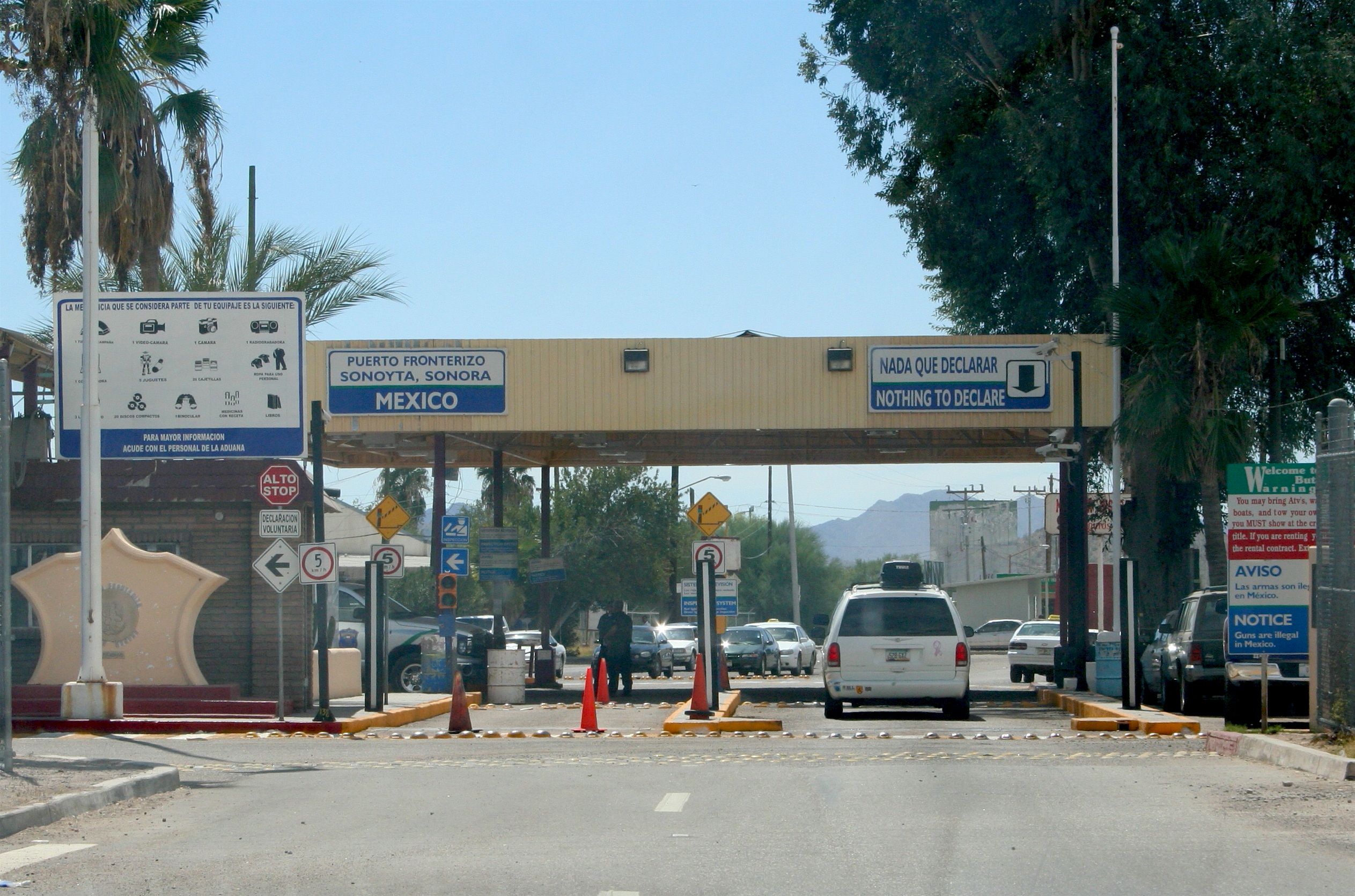

Documents and vehicle preparation
Bring:
- A valid passport book or passport card for each U.S. traveler.
- Current driver’s license.
- Vehicle registration and proof of ownership or permission to use the vehicle.
- A separate Mexican automobile insurance policy.
- Reservation address and contact information.
- Copies of essential documents stored separately from the originals.
The U.S. Embassy states that U.S. automobile insurance is not sufficient in Mexico and travelers should obtain a separate Mexican policy. Short-term tourist policies are widely available.
Puerto Peñasco is within the Sonora Free Zone. The U.S. Embassy’s April 23, 2026 guidance says a Temporary Vehicle Importation Permit is not required for travel within the Sonora Free Zone. A permit may be required if your trip continues outside the exempt area, so confirm the rules for your full itinerary.
See the official U.S. Embassy guidance for driving to Mexico for current entry, vehicle, insurance, and prohibited-item information.
Items that can create serious legal trouble
Mexico’s laws apply as soon as you enter the country. Do not bring firearms, ammunition, loose cartridges, or weapons across the border. A U.S. permit does not authorize possession in Mexico, and accidental possession can lead to severe criminal penalties.
The U.S. Embassy also warns travelers not to bring illegal drugs, marijuana—including medical marijuana—or e-cigarettes and vaping liquids into Mexico. Check your vehicle, luggage, clothing, and recreational gear before departure.
If you encounter an official checkpoint, slow down, follow instructions, and remain calm. The State Department warns that fleeing or ignoring instructions can lead to serious harm.
Practical safety habits in Puerto Peñasco
Once in town, use the same habits you would use in any unfamiliar destination:
- Stay in established tourist areas and use well-reviewed accommodations.
- Keep doors locked and valuables out of sight.
- Avoid displaying large amounts of cash.
- Do not leave phones, bags, or wallets unattended on the beach or in a vehicle.
- Limit alcohol and keep control of your drink.
- Avoid isolated beaches and unfamiliar neighborhoods after dark.
- Use transportation arranged by your hotel, resort, or a known local operator.
- Keep family or friends informed of your plans.
For trip planning beyond safety, read our first-time visitor guide and guide to places to stay.
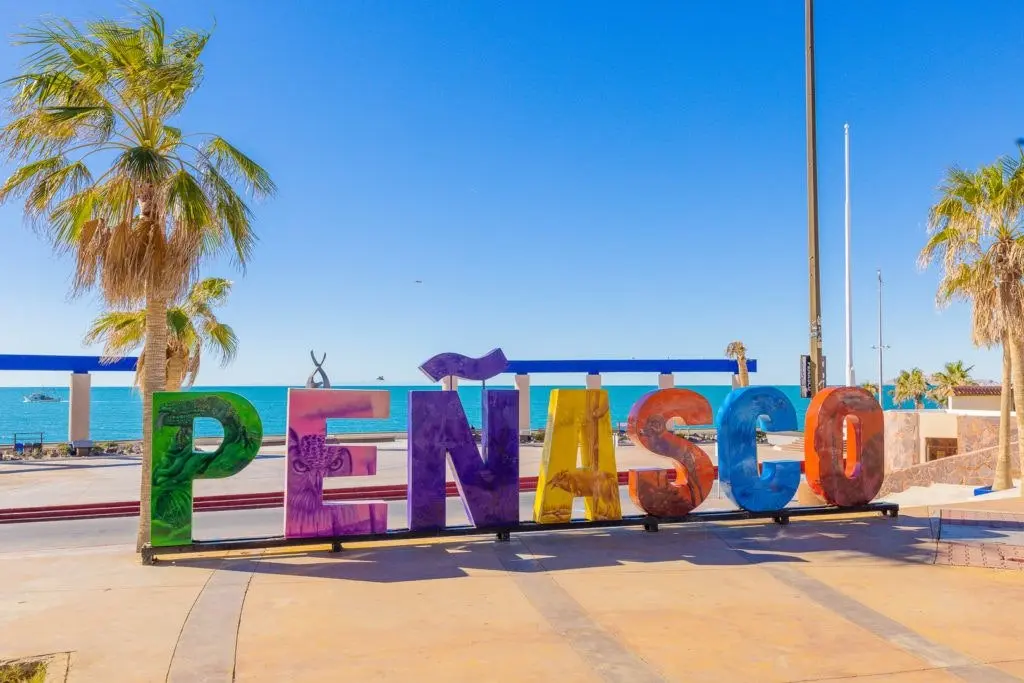
Beach, heat, and boating safety
Travel safety also includes the desert and the Sea of Cortez. Summer heat can be extreme, and tidal changes can expose or cover large areas quickly.
- Carry water and do not leave children or pets in a parked vehicle.
- Check the forecast, tides, and marine conditions before beach or boating plans.
- Use a life jacket when appropriate and follow crew instructions.
- Book water activities with established operators that provide clear meeting information and safety equipment.
- Do not swim or operate a vehicle or watercraft while impaired.
Check the current Rocky Point weather and tides guide before scheduling an ocean activity.
Emergency numbers in Puerto Peñasco
Save these numbers before traveling:
- Mexico emergency line: 911
- Anonymous crime or extortion report: 089
- Puerto Peñasco Public Safety: +52 638 383 2626
- Puerto Peñasco Fire Department: +52 638 383 2828
- Puerto Peñasco Red Cross: +52 638 383 2266
- U.S. Embassy and Consulates in Mexico: +52 55 2579 2000
- U.S. State Department from the United States or Canada: +1 888 407 4747
- U.S. State Department from other countries: +1 202 501 4444
The local numbers above are published by the Municipality of Puerto Peñasco. Review our healthcare and emergency guide for additional planning information.
Bottom line: should you travel to Rocky Point in 2026?
Rocky Point remains open to visitors, and the official U.S. advisory identifies a specific permitted route from Lukeville–Sonoyta to Puerto Peñasco on Federal Highway 8. However, Sonora remains under a Level 3 “Reconsider Travel” advisory. No responsible guide can promise that a trip is risk-free.
Before traveling, read the current advisory, use Highway 8, drive during daylight, carry the correct documents and Mexican auto insurance, avoid prohibited items, and monitor official updates. If current conditions or the advisory do not fit your comfort level, postpone the trip.

Frequently asked questions
Is Rocky Point under a “Do Not Travel” advisory?+
No. When this guide was reviewed on August 21, 2026, Sonora was Level 3: Reconsider Travel—not Level 4: Do Not Travel. The advisory specifically allows U.S. government employees to travel between Lukeville–Sonoyta and Puerto Peñasco using Federal Highway 8 only.
What is the recommended road to Rocky Point?+
Use Mexico Federal Highway 8 between Sonoyta and Puerto Peñasco. Do not let a navigation app reroute you onto an unfamiliar alternate road.
Should I drive to Rocky Point at night?+
Plan the Mexico portion of the drive during daylight. This provides more visibility, keeps you within the general State Department daylight-travel guidance, and gives you more time before the border closes.
Do I need Mexican automobile insurance?+
Yes. The U.S. Embassy states that U.S. insurance is not sufficient and advises travelers to obtain a separate Mexican policy.
Do I need a vehicle import permit for Rocky Point?+
Puerto Peñasco is within the Sonora Free Zone, which the U.S. Embassy lists as exempt from the Temporary Vehicle Importation Permit requirement. Confirm the rule if you plan to travel beyond the free zone.
Where should I check for last-minute changes?+
Review the State Department Mexico Travel Advisory, U.S. Embassy alerts, CBP border hours, and local government updates immediately before departure.
Continue planning with the Complete Rocky Point Travel Guide →